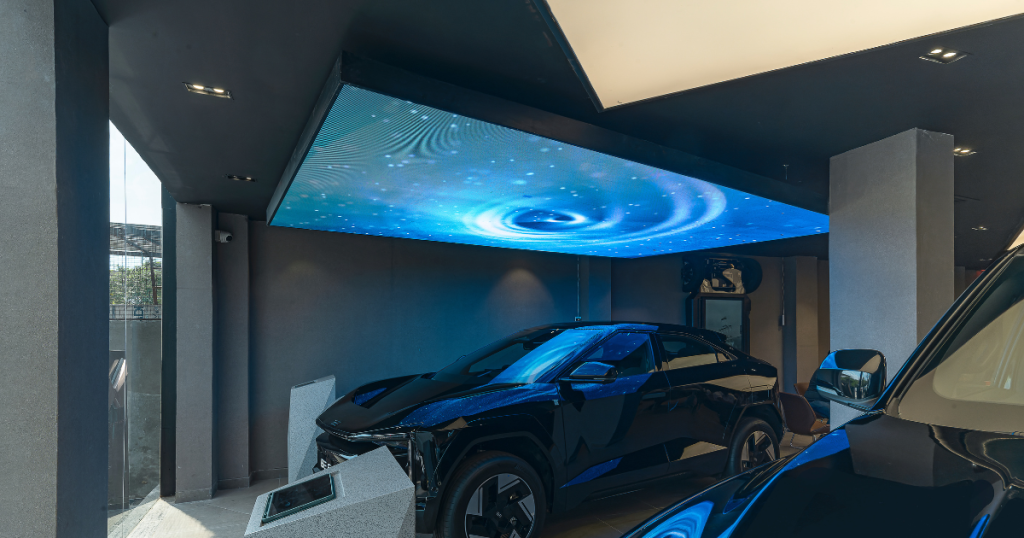
Most LED display discussions in India still revolve around one metric, brightness. It is visible, easy to compare, and often the first thing people ask. But if you look at how these systems perform over months and years, brightness alone does not define value.
A digital signage, LED display screen is not a one-time visual upgrade. It is a long-term communication asset. It influences how a brand is seen, how information is delivered, and how consistently that experience holds up.
At ALEDA, we have seen projects where the initial output looked impressive, but performance dropped over time due to poor selection of core parameters. And we have seen installations that continue to deliver stable results because the right technical decisions were made from the start.
This is where the idea of real ROI comes in. It is not about how bright the screen looks on day one. It is about how effectively it performs, adapts, and sustains value over time.
Moving Beyond Brightness in digital signage, LED display screen
Brightness is important, especially in outdoor conditions where visibility under sunlight matters. But treating it as the primary benchmark often leads to incomplete decisions.
In indoor environments, excessive brightness can actually reduce viewing comfort. In outdoor setups, brightness must be balanced with uniformity and stability. A screen that peaks high but fluctuates in output does not create a reliable viewing experience.
For example, our outdoor LED modules are designed to deliver brightness above 5500 cd per square metre. But that is only one part of the equation. Consistency across the panel, stable drive systems, and controlled power distribution ensure that the output remains uniform.
A well-designed digital signage, LED display screen delivers controlled brightness, not just maximum brightness. That difference becomes visible over time.
Performance Stability and Why It Matters
One of the most overlooked aspects in LED selection is how stable the display remains during continuous operation.
Most commercial displays run for long hours. Retail stores, corporate offices, and dooh advertising environments often require near constant uptime. In such cases, performance consistency matters more than peak performance.
Refresh rate plays a major role here. ALEDA’s indoor and outdoor modules operate at refresh rates of 3840 Hz. This ensures that visuals remain smooth and flicker-free, even when displaying dynamic content.
The impact is practical:
- Videos look clean without jitter
- Text remains sharp during motion
- Camera-facing environments avoid flicker issues
In dooh advertising, this directly affects how audiences perceive the content. Smooth visuals increase engagement, while unstable output reduces credibility.
Also Read : Curved and Flexible LED Displays: Redefining Design Possibilities
Pixel Pitch and the Cost of Getting It Wrong
Pixel pitch is often misunderstood or oversimplified. It is not just a technical number. It defines how the screen will be experienced.
A lower pixel pitch, such as 1.86 mm, provides higher resolution and is suited for close viewing distances. This works well in boardrooms, premium retail environments, and control rooms. On the other hand, a 2.5 mm pitch is more suitable where the viewing distance increases slightly.
The mistake many projects make is over-specifying. Installing a very fine pitch display where it is not required increases cost without improving the experience.
A properly selected digital signage, LED display screen aligns pixel pitch with viewing distance. This ensures:
- Optimal clarity
- Efficient cost allocation
- Better utilisation of the display
This is one of the most direct ways to improve ROI without increasing budget.
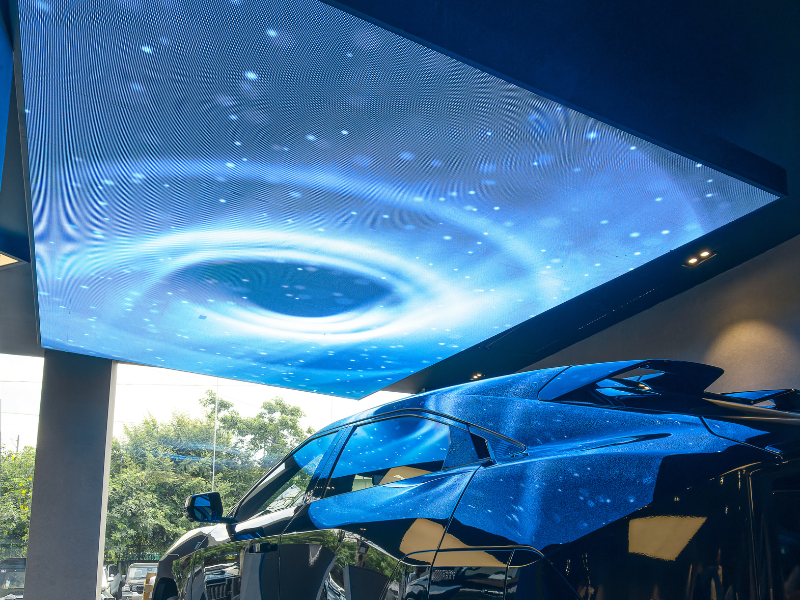
Durability and Real-World Conditions
Outdoor LED displays operate in challenging environments. Dust, humidity, rainfall, and temperature fluctuations all affect performance.
To address this, ALEDA outdoor modules incorporate glue-pouring waterproofing. This process protects internal components and enhances resistance against environmental exposure.
Operating temperature ranges also matter. Systems designed to function between -20°C to 50°C provide stability across different climatic conditions.
For a digital advertising board, durability is directly linked to revenue. Every hour of downtime means lost visibility and missed opportunities. A display that maintains consistent operation reduces maintenance cycles and improves long-term returns.
Energy Efficiency and Operational Cost
Energy consumption is rarely the first concern during installation, but it becomes significant over time.
LED displays operate for extended hours. In large-scale deployments, even small differences in power efficiency can lead to noticeable cost variations.
ALEDA systems use constant current drive mechanisms, which help maintain stable power usage and reduce fluctuations. This contributes to:
- Predictable energy consumption
- Reduced stress on components
- Improved overall system life
For businesses running multiple digital signage and LED display screen installations, energy efficiency becomes a measurable contributor to ROI.
Design Flexibility and Visual Impact
Modern spaces demand more than flat displays. Architecture, branding, and user experience now work together.
ALEDA’s Flex Series is designed to support this shift. Using FPC circuit technology and flexible structures, these modules can adapt to curved and creative installations.
This capability allows:
- Curved display surfaces
- Immersive visual environments
- Integration into architectural elements
In retail and experience-driven spaces, this flexibility enhances engagement. A visually distinct installation captures attention more effectively than a standard format display.
For brands investing in digital advertising board setups, this differentiation can influence how long audiences interact with the content
Also Read : Outdoor LED Displays: Brightness, Power, and Weatherproofing
Content Effectiveness and ROI
Even the most advanced display cannot deliver results without effective content.
A digital signage, LED display screen should support:
- Smooth video playback
- High refresh visuals
- Clear contrast for readability
But beyond hardware, the content strategy determines impact.
In dooh advertising, frequent content updates and dynamic messaging improve engagement. Static or repetitive content reduces effectiveness over time.
The combination of reliable hardware and adaptable content creates a system that continues to perform, rather than becoming visually redundant.
Where ROI Becomes Measurable
The value of LED displays becomes clear when you look at outcomes.
In outdoor advertising:
- Higher uptime leads to more advertising cycles
- Better visibility increases audience reach
- Stable performance builds advertiser confidence
In retail and corporate environments:
- Displays improve communication clarity
- Enhance brand presence
- Influence customer behaviour
A well-planned digital signage, LED display screen contributes to both direct and indirect returns. It supports marketing, communication, and operational efficiency at the same time.
The idea of ROI in LED displays needs a broader perspective. Brightness is just one parameter, and often not the most important one in the long run.
Performance stability, correct pixel pitch selection, durability, energy efficiency, and content adaptability all play a role in determining how effective a display system truly is.
At ALEDA, we approach every project with this complete view. We focus on building systems that perform consistently in real conditions, not just in specifications.
A digital signage, LED display screen should not just look good when it is installed. It should continue to deliver value every day. Choosing the right LED display is not just about features; it is about how it performs over time. At ALEDA, we help you make informed decisions based on real usage conditions. You can explore our solutions at www.aledaled.com or speak to our team on 1800-102-0407.
FAQ Section
What defines the ROI of a digital signage, LED display screen?
The ROI of a digital signage, LED display screen is determined by long-term performance rather than initial appearance. It includes factors such as stability, energy consumption, maintenance requirements, and how effectively the display communicates content. A system that operates consistently with minimal downtime and supports clear, engaging visuals will deliver better returns over time compared to one that focuses only on high brightness.
Why is refresh rate important in DOOH advertising?
Refresh rate is important because it controls how smooth the content appears. In dooh advertising, where motion graphics and video are widely used, a higher refresh rate like 3840 Hz ensures that visuals remain stable and flicker-free. This improves viewing quality and helps maintain professional presentation standards, especially in high-traffic public environments.
How does durability impact a digital advertising board?
Durability ensures that a digital advertising board continues to function reliably in outdoor conditions. Protection methods like glue-pouring, waterproofing, and wide operating temperature tolerance help reduce system failures. This leads to lower maintenance costs and higher uptime, both of which directly contribute to better revenue potential.
What is the ideal pixel pitch for indoor LED displays?
The ideal pixel pitch depends on the viewing distance. Lower pixel pitch options, such as 1.86 mm, are suitable for close viewing environments where high clarity is required. For slightly larger spaces, 2.5 mm provides a balanced solution. Choosing the right pixel pitch ensures optimal visual quality without unnecessary cost, improving the effectiveness of the display.
How does energy efficiency influence long-term performance?
Energy efficiency affects operational cost and system stability. Displays that use constant current drive systems maintain consistent power usage and reduce fluctuations. Over time, this helps in lowering electricity costs and reducing stress on components, which supports longer system life and better overall ROI for a digital signage, LED display screen.