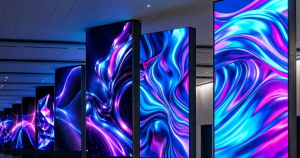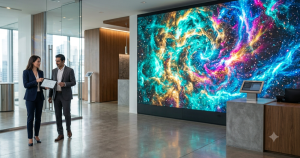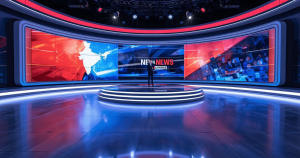
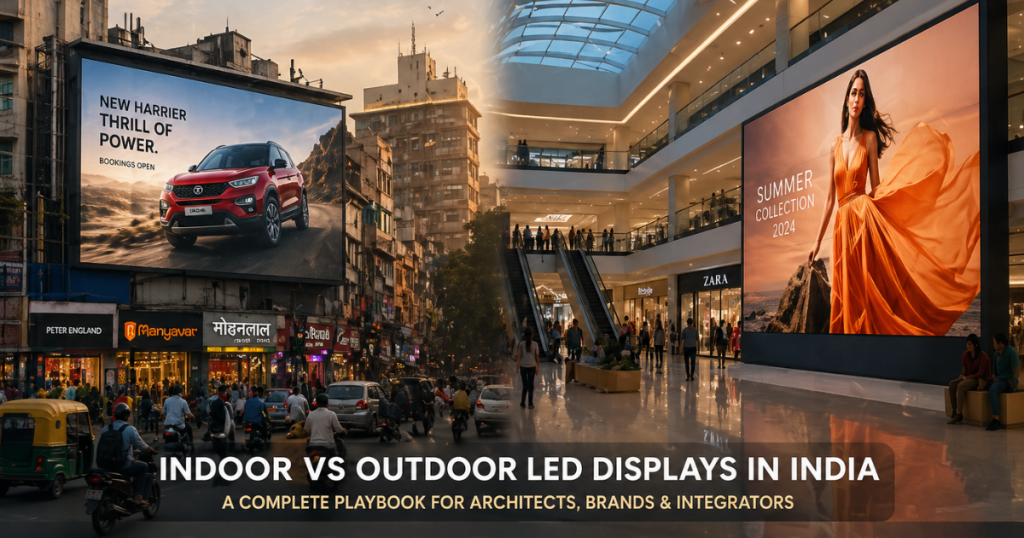
Choosing the right LED display is not as straightforward as it looks. Most discussions begin with size and cost, sometimes brightness, and then quickly move to installation timelines. But when you actually start using the system, that is where the real differences show up.
An indoor LED display screen & outdoor LED display serve very different purposes. They operate in different environments, follow different performance expectations, and respond differently over time. Treating them the same often leads to poor decisions, higher costs, and underwhelming results.
At ALEDA, we have worked across corporate spaces, retail environments, and outdoor installations. And one thing is clear. The right selection depends on the application, not assumption. This guide breaks it down in a way that helps you make practical decisions.
Understanding the Core Difference Between Indoor and Outdoor Displays
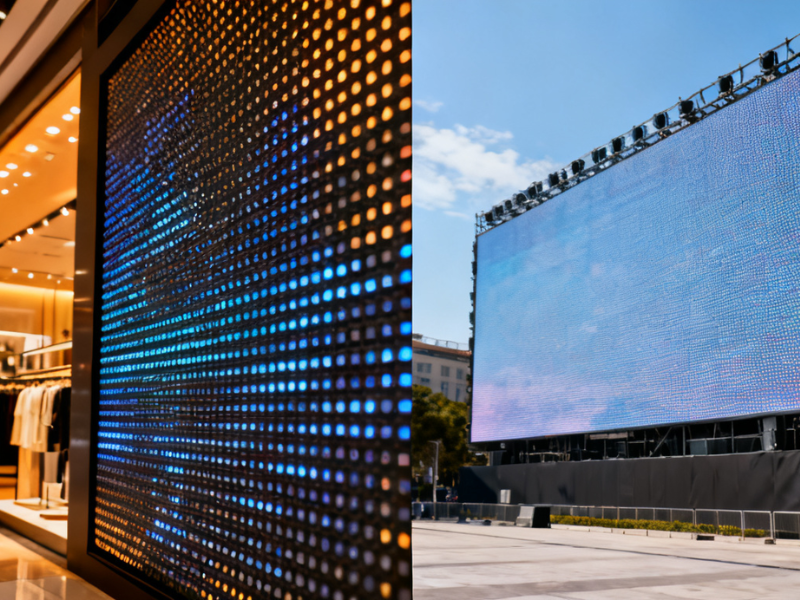
The difference is simple at a basic level. Indoor displays are built for controlled LED environments. Outdoor displays are designed to withstand external conditions.
But what this means practically is more important.
An indoor LED display screen & outdoor LED display differ in:
- Brightness levels
- Pixel pitch selection
- Structural protection
- Power consumption
- Maintenance approach
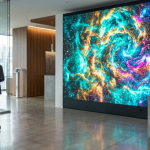
Indoor displays like our IS 1.86 and IS 2.5 Full Color modules operate at brightness levels above 600 cd per square metre. This is sufficient for environments where ambient lighting is controlled.
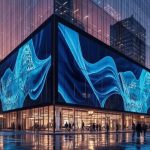
Outdoor displays like OS 4 and OS 6 Full Color operate above 5500 cd per square metre. This is necessary to maintain visibility under direct sunlight.
The difference is not minor. It defines usability.
How Brightness Impacts Real-World Performance
Brightness is one of the most misunderstood factors.
For an indoor LED display screen & outdoor LED display, higher brightness is not always better. It has to be appropriate.
Indoor spaces:
- Too much brightness causes glare
- Reduces viewing comfort
- Impacts colour accuracy
Outdoor spaces:
- Insufficient brightness leads to poor visibility
- Content becomes unreadable in daylight
Our outdoor modules are designed to maintain high brightness along with stable output. That balance ensures that content remains visible without distortion.
So when evaluating an outdoor LED display, brightness must be seen along with uniformity and stability, not just peak numbers.
Also Read : Outdoor LED Displays: Brightness, Power, and Weatherproofing
Pixel Pitch Selection for Indoor vs Outdoor Use
Pixel pitch directly affects clarity and viewing distance.
For indoor use:
- IS 1.86 mm works well for close viewing environments
- IS 2.5 mm suits slightly larger spaces
For outdoor use:
- OS 4 mm is ideal for medium-distance viewing
- OS 6 mm supports longer viewing distances
Choosing the wrong pitch increases cost or reduces effectiveness.
This is where many pricing discussions go wrong. People compare LED display screen prices without understanding what they are paying for.
A lower pitch increases resolution but also increases cost. If the viewing distance does not demand it, that cost is unnecessary.
A well-matched indoor LED display screen & outdoor LED display ensure clarity without overinvestment.
Durability and Environmental Resistance in Outdoor Displays
Outdoor displays are exposed to constant environmental stress. Rain, dust, humidity, and temperature variation all affect performance.
ALEDA outdoor modules use glue-pouring waterproofing to protect internal components. This improves resistance against moisture and enhances long-term reliability.
Operating temperature range is also critical. Our outdoor systems are designed to function between -20°C and 50 °C.
For an outdoor LED display, durability is not optional. It directly impacts uptime and maintenance frequency.
This is especially important in applications like outdoor LED screen price evaluations, where long-term cost matters more than initial investment.
Structural Design and Maintenance Considerations
Indoor and outdoor systems differ in how they are installed and maintained.
Indoor systems:
- Often use front service cabinets
- Easier access for maintenance
- Lower structural load
Outdoor systems:
- Require IP-rated protection
- Use robust cabinet structures
- Need rear or front service access, depending on installation
ALEDA offers both aluminium die-cast and iron MS cabinet options. These are selected based on installation requirements.
For an indoor LED display screen & outdoor LED display, maintenance planning should be part of the initial decision, not an afterthought.
Energy Consumption and Operational Efficiency
Energy efficiency becomes significant over time.
Indoor displays typically consume less power due to lower brightness requirements. Outdoor displays consume more, but need to maintain visibility.
ALEDA systems use constant current drive technology. This ensures stable power consumption and reduces fluctuations.
When comparing LED display screen prices, operational cost is often ignored. But over long usage cycles, power consumption contributes significantly to total cost.
So efficiency is part of ROI, not just a technical detail.
Application-Based Decision Making
Choosing between indoor and outdoor displays depends on where and how the display will be used.
For indoor environments:
- Corporate boardrooms
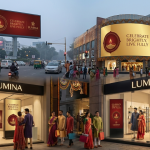
- Retail stores
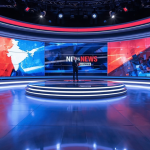
- Experience zones
- Exhibition spaces
For outdoor environments:
- Highway billboards
- Building façades
- Public information systems
- Transit hubs
An indoor LED display screen & outdoor LED display should be selected based on application, not just budget.
For example, using an indoor display in a semi-outdoor environment can lead to performance issues. Similarly, using an outdoor display indoors can result in excessive brightness and energy usage.
Also Read : The Real ROI of Active LED Displays in India
Pricing Reality and What Drives Cost
Pricing discussions often focus only on the initial number.
But the actual outdoor LED screen price or LED display screen price depends on multiple factors:
- Pixel pitch
- Module quality
- Cabinet type
- Brightness capability
- Installation complexity
A lower upfront cost may result in higher maintenance or reduced lifespan.
At ALEDA, we focus on helping clients understand what they are paying for. Because cost without context leads to wrong decisions.
Indoor and outdoor LED displays are not interchangeable. They are designed for different conditions and expectations. A well-selected indoor LED display screen & outdoor LED display deliver consistent performance, better visual clarity, and long-term value. A poorly selected one creates operational challenges and reduces impact.
The key is to evaluate based on application, environment, and usage pattern. Not just specifications or pricing. Choosing the right LED display is not just about features; it is about how it performs over time. At ALEDA, we help you make informed decisions based on real usage conditions. You can explore our solutions at www.aledaled.com or speak to our team on 1800-102-0407.
FAQ Section
What is the main difference between an indoor LED display screen and an outdoor LED display?
The main difference lies in brightness, protection, and application. An indoor LED display screen is designed for controlLED lighting environments and typically operates at lower brightness levels. An outdoor LED display is built to handle environmental conditions such as sunlight, rain, and dust, and operates at much higher brightness levels. It also includes protective features like waterproofing and a robust cabinet design.
How does pixel pitch affect LED display screen price?
Pixel pitch directly influences resolution and cost. A lower pixel pitch provides higher clarity but increases the LED display screen price. This is because more LEDs are packed into a smaller area. However, the choice should depend on the viewing distance. Using a very fine pitch where it is not required increases cost without improving effectiveness.
What factors influence the outdoor LED screen price?
Outdoor LED screen price depends on brightness capability, pixel pitch, module quality, cabinet design, and installation requirements. High brightness levels, typically above 5500 cd per square metre, increase cost. Additional features like waterproofing and temperature resistance also contribute to pricing.
Can indoor LED displays be used outdoors?
Indoor LED displays are not suitable for outdoor use. They lack the necessary protection against environmental conditions such as rain and dust. They also do not provide the brightness required for outdoor visibility. Using them outdoors can lead to performance failure and reduced lifespan.
How do I choose the right LED display for my project?
The right choice depends on application, viewing distance, environment, and budget. An indoor LED display screen is suitable for controlLED environments, while an outdoor LED display is required for external conditions. Evaluating technical parameters like brightness, pixel pitch, and durability helps in making an informed decision.